
Dr. Heike Lieb-Wilson Helps Brands Test the Middle East Market
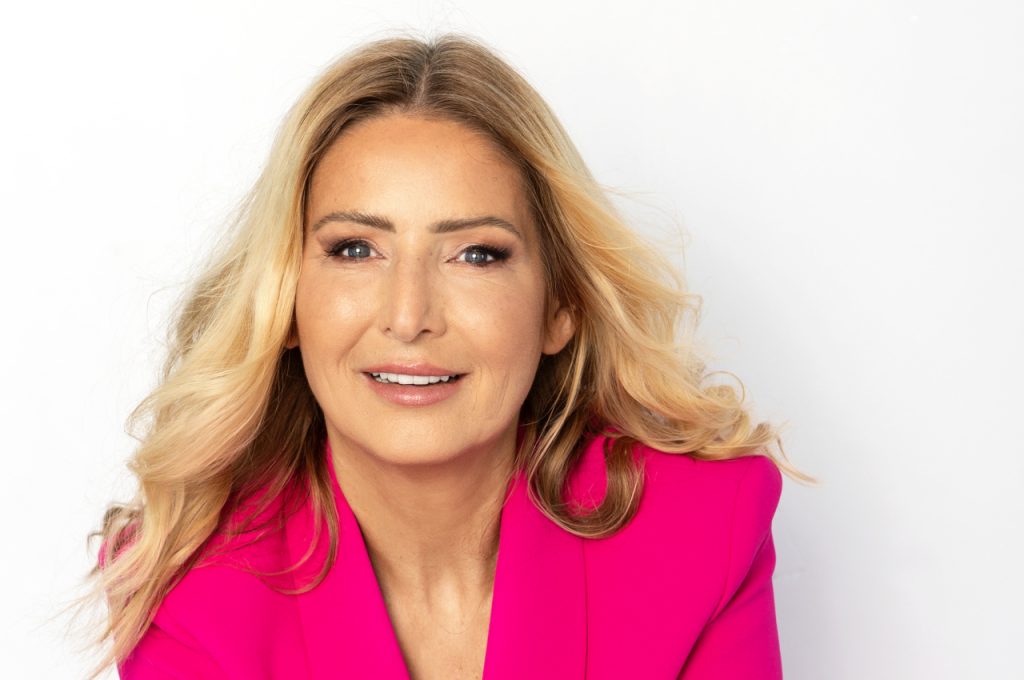
Dubai, UAE – For many European brands, the Gulf region looks attractive on paper: young populations, high purchasing power, and a strong appetite for international labels. At the same time, the market is complex – commercially, legally and culturally. Choosing the wrong partner or structure can be expensive. That is the space in which Dr. Heike Lieb-Wilson, based in Dubai for more than a decade, has built her advisory work.
From Global Brands to Independent Advisor
Before moving into independent consulting, Dr. Heike Lieb-Wilson held senior roles at international fashion and lifestyle brands, including Tommy Hilfiger and Calvin Klein, responsible for sizeable retail networks and multi-million euro turnovers. Those years gave her a detailed understanding of how global retail organisations think, how franchise and wholesale models operate, and where expansion projects tend to fail.
After relocating to Dubai, she shifted her focus from running a single brand’s business to helping multiple companies navigate the region. Today she works with labels from fashion, lifestyle, food and technology that are considering an entry into the GCC or broader MENA markets.
A “Test Under the Umbrella” Approach
The core of her model is simple: instead of setting up a full legal entity and local team from day one, brands can test the market under her operational and legal umbrella. In practice, this means that contracts, logistics and local procedures run through structures she already operates, while the brand keeps visibility and decision-making power over key questions such as pricing, positioning and assortment.
For companies that are still exploring whether the region fits their strategy, this reduces upfront investment and risk. It also shortens timelines: rather than spending months on incorporation and licensing, brands can put product in front of customers more quickly and gather data on real demand.
How the Collaboration Works
Typically, a project starts with an honest assessment of market fit. Dr. Heike Lieb-Wilson looks at the brand’s current positioning, price architecture and operational readiness, and compares it with what she sees on the ground in the Gulf. In some cases, that leads to a clear “go”. In other cases, the conclusion may be that the timing or concept is not right – and that not entering the market is the better decision for the moment.
If both sides decide to move forward, she supports in areas such as:
- selecting suitable locations or retail formats,
- coordinating with landlords, distributors or franchise partners,
- adapting assortments and merchandising to local expectations,
- setting up reporting, stock controls and performance KPIs.
Throughout the process, the brand works with a single counterpart rather than a patchwork of agencies. That structure is particularly attractive for medium-sized companies that do not yet have large in-house expansion teams.
Transparency as a Working Principle
The term “integrity” in her positioning is not a marketing slogan; it refers to a very specific way of working. Dr. Heike Lieb-Wilson emphasises clear fees and the absence of hidden commissions or side agreements. The financial relationship between brand, advisor and local partners is laid out in a way that each party can understand.
This is relevant because in some markets, expansion arrangements can be opaque: side margins, slotting fees or unspoken expectations may appear later in the process. For international brands that need internal approval from headquarters or investors, the ability to document a transparent setup is often as important as the commercial terms themselves.
Why the Middle East is Different
From the outside, the Gulf can look like a single block. On the ground, consumer behaviour, regulatory frameworks and retail landscapes differ between countries such as the United Arab Emirates, Saudi Arabia, Qatar or Kuwait. Rental structures, labour laws and cultural expectations also vary.
Having lived and worked in Dubai for more than eleven years, Dr. Heike Lieb-Wilson’s view is that success often depends less on a spectacular launch and more on careful, consistent execution: selecting the right partners, understanding local calendars and peak seasons, and adjusting planning cycles to regional realities.
What Brands Can Take Away
Even for companies that do not work with her directly, the approach suggests a few practical guidelines for entering the region:
- test demand before committing to large, inflexible structures,
- retain control over brand positioning and assortment,
- insist on transparent, documented financial relationships,
- be prepared to walk away if the fit is not right.
For Skillionaires readers – founders, investors and brand leaders exploring the Middle East – Dr. Heike Lieb-Wilson’s work offers one concrete example of how expansion can be structured: not as a leap into the unknown, but as a measured step, underpinned by experience, clear numbers and a commitment to long-term relationships.
