
Enhancing safety, efficiency and passenger experience in transport hubs
Dubai, UAE – As infrastructure development accelerates across the Middle East, demand for next-generation lighting solutions continues to grow. In particular, new regional airports and expanding urban mobility networks are reshaping transport environments. Consequently, Light + Intelligent Building Middle East 2026 will explore how intelligent lighting enhances safety, efficiency and passenger wellbeing. The event will take place from 12–14 January 2026 at Dubai World Trade Centre.
Infrastructure Expansion and Rising Demand
Across the region, major projects clearly illustrate the scale of ongoing investment. For example, Riyadh’s USD 30 billion King Salman International Airport reflects a strong commitment to future-ready aviation infrastructure. Similarly, Dubai World Central is undergoing a major expansion. Ultimately, it will become five times larger than Dubai International Airport.
Meanwhile, Dubai’s urban mobility network continues to expand at pace. Notably, the Dubai Metro supports more than 850,000 passenger journeys each day. As a result, lighting plays an essential role in maintaining safety, visibility and passenger comfort throughout the network.
Lighting Design for Modern Transport Hubs
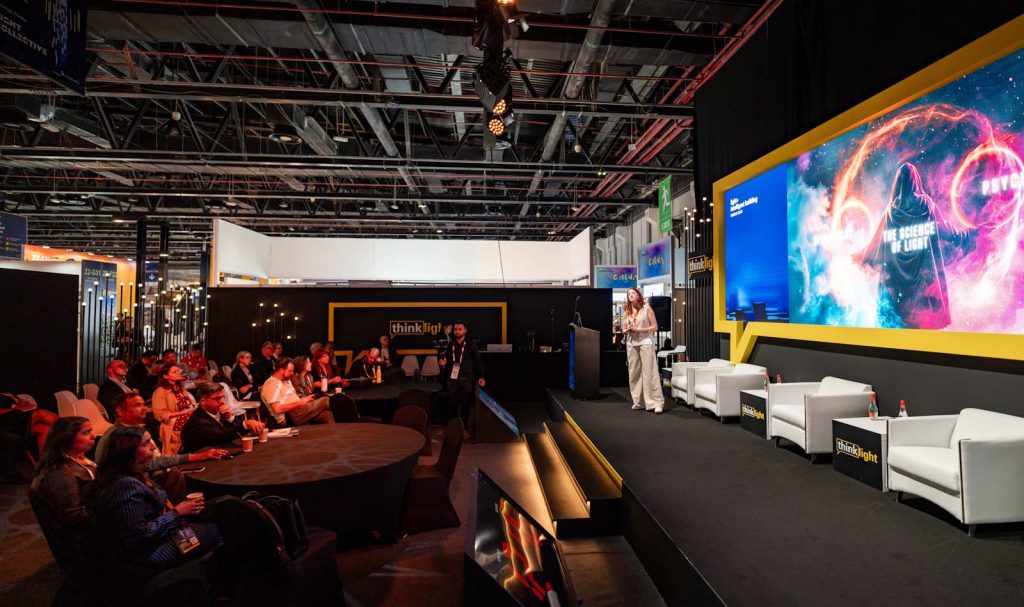
Against this backdrop, the THINKLIGHT conference will host a dedicated project perspective session. Specifically, the session is titled “Lighting Design for Transport: Enhancing Navigation, Safety and Passenger Experience.” Through this lens, the discussion will focus on practical, real-world applications.
Furthermore, Martin Lupton, Co-Founder of Light Collective UK, will moderate the session. At the same time, the panel will bring together regional and international experts. These include Kristina Allison of WSP UK, Kaori Hiroki of Loop Lighting, Kush Suneja of Spatial Vibes Lighting and Giovanni Zambri of SMITH TAIT.
Human-Centric and Adaptive Lighting
Ahead of the event, Kush Suneja emphasised the influence of lighting on human behaviour. In particular, he highlighted its links to stress levels, sleep patterns and overall wellbeing. Therefore, strategies such as daylight integration, zoning and smart lighting controls are becoming increasingly important. At the same time, these approaches help balance passenger comfort with energy efficiency in 24-hour transport environments.
In addition, Giovanni Zambri pointed to a broader shift in global transport design. Instead of static, always-on lighting, hubs are increasingly adopting adaptive and cognitive systems. As a result, operators can reduce energy costs while improving safety and managing passenger flow more effectively. Moreover, these systems help support natural biological rhythms during travel.
Emerging Technologies and Digital Connectivity
Beyond adaptive lighting, emerging technologies are also reshaping transport hubs. For instance, Li-Fi enables LED lighting to transmit high-speed data directly to passengers’ mobile devices. Consequently, this technology can help reduce pressure on congested Wi-Fi networks. Furthermore, it allows lighting to function as part of a wider digital communication ecosystem.
A Platform for Industry Collaboration
Overall, as investment in transport infrastructure continues across the Middle East, lighting is increasingly viewed as a strategic enabler. Not only does it support safety and energy efficiency, but it also enhances passenger wellbeing and operational resilience. Therefore, Light + Intelligent Building Middle East 2026 provides a dedicated platform for collaboration. Through this platform, industry professionals can connect, exchange insights and drive lighting innovation across the region’s most significant projects.
