
Simon Lacey Argues That the Real Shock is Spreading Beyond Energy
Dubai, UAE – The Strait of Hormuz is widely seen as an energy chokepoint. That much is obvious. Less obvious is what follows next. According to Simon Lacey, the more serious disruption may not begin with crude oil, but with the industrial and financial systems built around Gulf exports.
In a recent LinkedIn post, the trade policy and geopolitical risk analyst wrote: “The Hormuz crisis is being read primarily as an energy shock. That is an incomplete exposure map.” He argues that oil and gas are only part of the story. The wider risk, in his view, runs through petrochemicals, fertilizers, packaging and shipping finance — sectors so embedded in global manufacturing that many firms have never traced their exposure back to the Gulf.
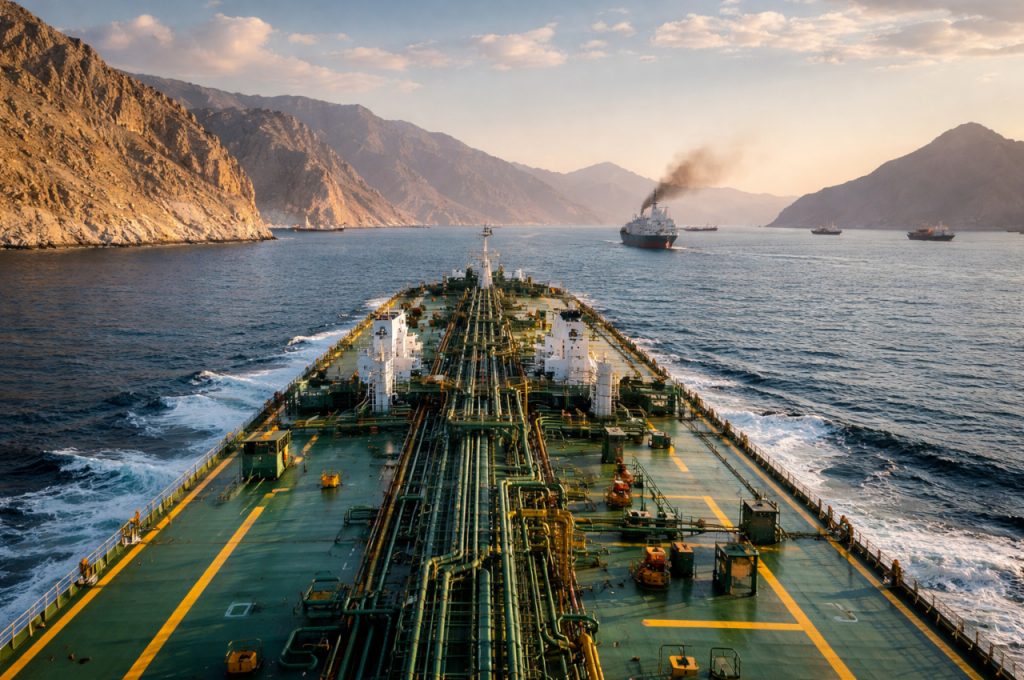
The Shock Starts Before the Blockade
One of Simon Lacey’s central points is that markets can break before trade routes do.
In his reading, financial infrastructure failed before physical infrastructure. War-risk cover for shipping was withdrawn before Iran fully enforced closure. That matters because once insurers step back, the economic effect begins immediately. Vessels may still exist, ports may still operate, and routes may still be technically open. But if risk cannot be priced or insured, the system starts freezing before the headline event is complete.
That is a critical distinction. Many contingency plans still assume that disruption begins when tankers stop moving. Lacey’s point is that, in modern supply chains, the financial system often moves first.
Beyond Energy: Fertilizers, Plastics and Packaging
The independent analyst also points to a second blind spot: downstream dependence on Gulf-linked feedstocks.
Petrochemicals and fertilizers rarely dominate public discussion in the way oil does. Yet both sit deep inside industrial production. Fertilizers affect agricultural output. Petrochemicals feed into plastics, packaging and a wide range of manufacturing inputs. When these flows are interrupted, the effects spread quietly but widely.
This is why the Hormuz crisis may reach companies that do not think of themselves as exposed to Gulf risk at all. A manufacturer may not buy crude. It may not import gas. But it may depend on packaging materials, chemical intermediates or agricultural inputs shaped by the same disrupted system.
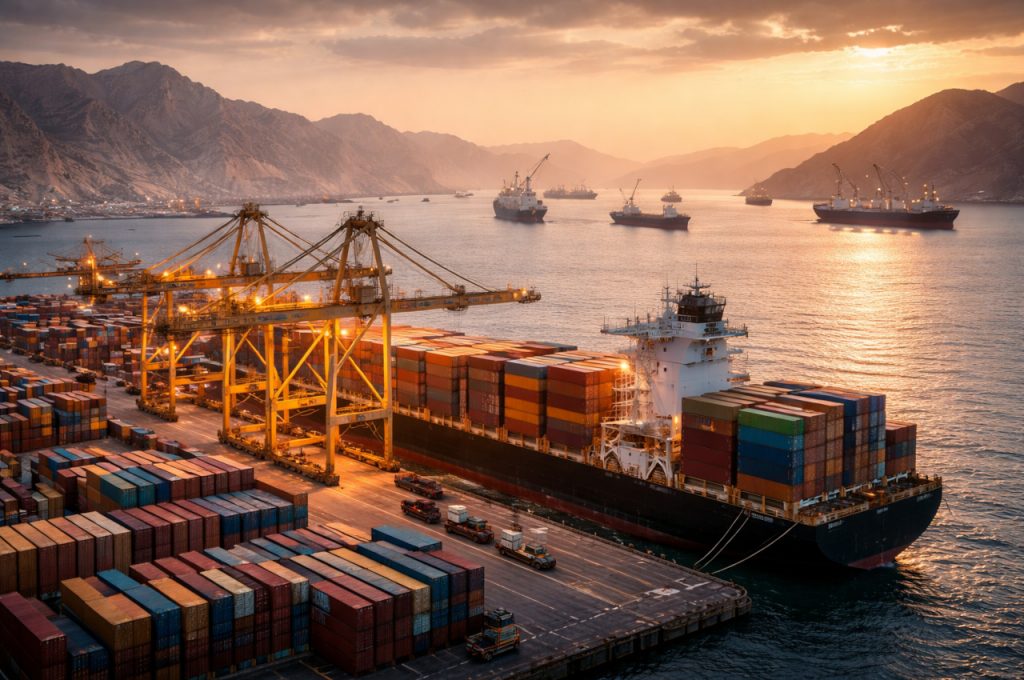
The Fertilizer Constraint Is Near-Term
Simon Lacey argues that the fertilizer issue is not a distant risk. It is immediate.
That matters especially for South Asia, where planting seasons create a hard calendar constraint. A shipping delay can be absorbed. A missed agricultural cycle cannot. In that sense, food security may move faster than diplomacy. Political negotiations can take weeks or months. Cropping windows do not wait.
This is one reason the Hormuz crisis should not be viewed solely through the lens of energy markets. In some regions, the first acute consequences may appear in food systems rather than in fuel prices.
China and the Limits of Alternative Routing
Another point raised by Simon Lacey is geopolitical in a more practical sense. Even China, he argues, could not move tankers through the corridor with reliable certainty.
If that assessment holds, it challenges a common assumption in supply-chain planning: that non-Western routes, relationships or alignments provide an automatic fallback in a chokepoint crisis. Simon Lacey’s conclusion is more sober. In a true maritime disruption, political alternatives do not automatically become operational alternatives.
That matters for firms that believe exposure can be solved through simple rerouting logic. In reality, chokepoints test logistics, insurance, timing and state capacity all at once.

A Crisis Many Firms Have Not Mapped
Simon Lacey’s broader argument is that most firms still map Hormuz too narrowly. They see an oil shock. He sees a system shock.
Where the pandemic strained logistics and the war in Ukraine hit energy and food, Hormuz may prove especially disruptive because it reaches into the financial architecture beneath trade itself. Insurance, feedstocks, chemical inputs and agricultural timing all interact. That makes the exposure more diffuse, but not less dangerous.
For business leaders, the practical question is straightforward: not whether they import oil from the Gulf, but whether any part of their production chain depends on inputs whose origins, pricing or transport still lead back there.
Simon Lacey recently expanded this argument in a report titled The Chokepoint That Moved the World: The Cascading Exposures Most Firms Haven’t Mapped Yet.
