
Insights from the Catalyst Summit in Riyadh
Riyadh, KSA – Public narratives around Artificial Intelligence often focus on disruption, automation and workforce displacement. At the Catalyst Summit in Riyadh, however, industry leaders and policymakers presented a more balanced view. Instead of emphasising risk alone, they positioned AI as a force that reshapes value creation and strengthens economic systems.
From the outset, speakers framed AI not as an external shock but as an enabling technology. When organisations apply AI with clear strategic intent, it can improve decision-making, resilience and long-term growth.
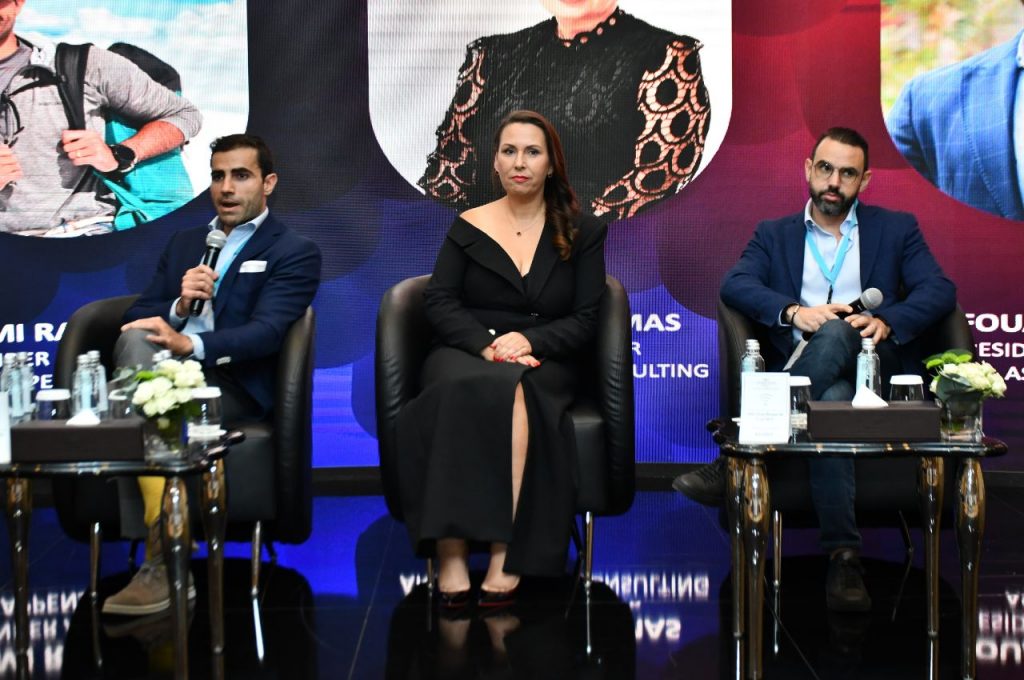
AI Embedded Across Organisational Systems
One central theme emerged repeatedly. AI is evolving from a standalone tool into an invisible layer of intelligence across organisations. In practice, leaders increasingly embed AI into finance, operations, strategy and governance.
As a result, AI supports decisions in complex economic and geopolitical environments. By modelling scenarios, assessing risk and clarifying trade-offs, AI helps leaders act with greater confidence. At the same time, organisations retain human oversight and accountability.
From Reactive to Anticipatory Economic Behaviour
Equally important, speakers highlighted a shift in organisational behaviour. In the past, companies reacted to volatility after it occurred. Today, many move toward anticipatory models powered by AI.
Through large and diverse data sets, AI systems detect early signals in markets, supply chains and geopolitics. Consequently, organisations can act sooner. They protect value earlier and adjust strategy before disruptions fully unfold.
Governance, Trust and Responsible Deployment
As AI gains influence over strategic and operational decisions, trust becomes critical. Therefore, summit discussions stressed the importance of governance, transparency and ethical standards.
Organisations that embed responsibility into AI strategy manage risk more effectively. Moreover, they meet regulatory expectations and build durable stakeholder trust. Speakers framed responsible AI not as a limitation, but as a competitive advantage in a closely scrutinised digital economy.
Leadership and the Future Economic Model
Ultimately, the summit pointed to leadership as the decisive factor. Rather than treating AI solely as a cost-saving tool, speakers urged organisations to view it as a partner in sustainable value creation.
To succeed, leaders must align human judgment, organisational purpose and intelligent systems. In doing so, they can build resilient economic models for ongoing uncertainty. Those who adopt AI deliberately and with strong values are likely to shape the next phase of economic transformation.
