
How AI Is Redefining Human Capability
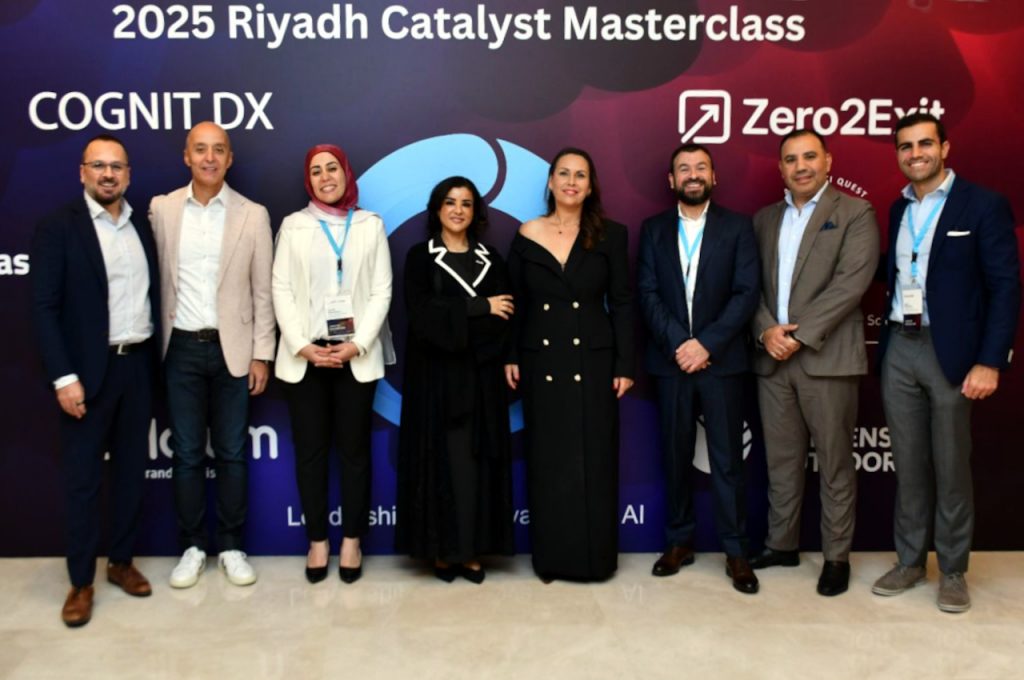
Riyadh, KSA – Artificial Intelligence has moved fast from theory to reality. Today, AI systems shape daily life, business productivity and scientific discovery across the globe. At the Catalyst Summit in Riyadh, a keynote showed how modern generative and multimodal AI systems no longer focus only on efficiency, but actively expand human capability in communication, accessibility and research.
From Decades of Theory to Real-World Impact
Although researchers discussed Artificial Intelligence as early as the late 1940s, practical impact arrived much later. For decades, two elements were missing. First, systems lacked sufficient computing power. Second, they lacked enough data.
Over time, those barriers disappeared. The global spread of the internet solved the data problem. Meanwhile, GPU computing, led by NVIDIA, delivered the scale modern AI requires.
As a result, today’s AI systems understand and generate language across cultures. At the same time, they interpret images and visual environments with growing accuracy.
Breaking the Language Barrier
One of the clearest examples lies in real-time translation. Through a simple scenario involving a taxi driver in Riyadh, the keynote showed how voice-based AI enables natural conversations across languages.
In this way, AI removes long-standing communication barriers. Moreover, it supports economic inclusion. People can now access global markets, customers and information regardless of their native language.
AI That Can See And Improve Lives
Beyond language, visual AI plays a growing role in accessibility. The keynote highlighted AI-powered wearable devices for visually impaired users. These tools identify objects, recognize people and assist with safe navigation in traffic.
Consequently, AI no longer focuses only on productivity. It also enhances independence, dignity and quality of life.
From Games to Scientific Breakthroughs
The presentation then turned to science. In particular, it examined the work of Demis Hassabis and DeepMind. Researchers first used reinforcement learning to master complex games such as Go.
Later, they applied the same methods to protein folding. With AlphaFold, AI mapped the structures of more than 200 million proteins. Humans would have needed centuries to complete this task.
Importantly, researchers released the data openly. As a result, scientists worldwide accelerated research into treatments for cancer, Alzheimer’s and other diseases. In this context, AI emerged as a tool for societal progress.
AI as an Assistant, Not a Replacement
A central message of the keynote addressed the workplace. AI should not serve only as a search engine or automation tool. Instead, it should act as a personal assistant.
During live demonstrations, AI supported product strategy, market research and data analysis. It also helped build presentations and prototypes. Consequently, teams reduced the time from idea to execution.
Why Prompt Engineering Matters
According to the speaker, effective AI use depends less on technical expertise. Clear communication matters more. A simple structure proved effective: role, context and task.
When users apply this framework, AI produces stronger results. In combination with advanced reasoning models, it delivers deeper insights rather than surface-level answers.
A New Model of Productivity And Creativity
In closing, the keynote stressed that AI does not replace human intelligence. Instead, it amplifies it. By automating routine cognitive work, AI frees people to focus on judgment, creativity and strategy.
As AI evolves from systems that speak and see to systems that reason and research, one factor will matter most. Ultimately, leaders must decide how responsibly they integrate AI into work, education and society.
